-
Home

- Paul Kasoma
Paul Kasoma






Photography

Different Interfaces

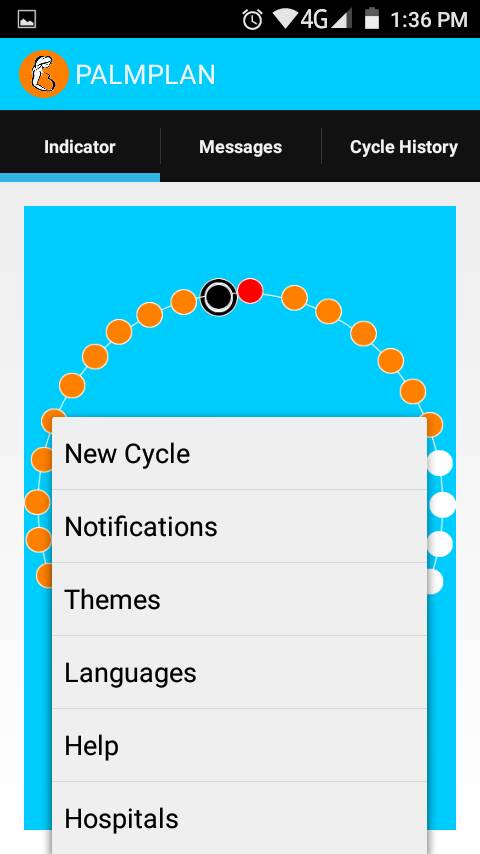
Notifications for the cycle
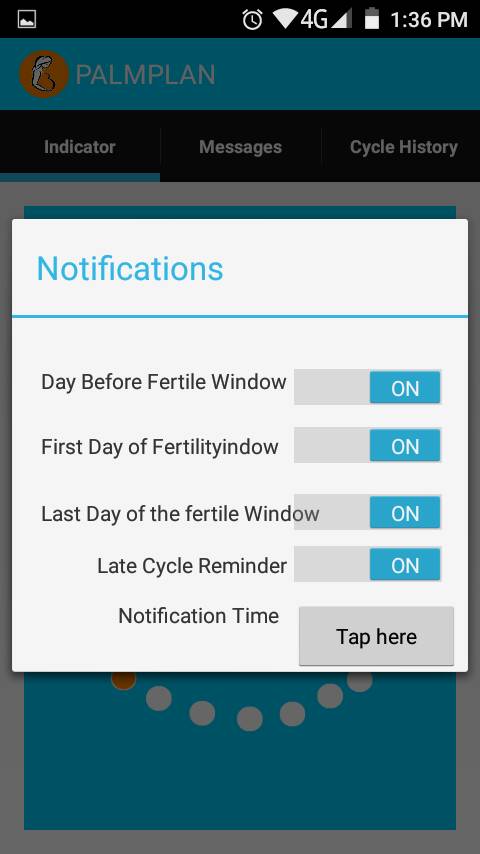
Entering New Cycle
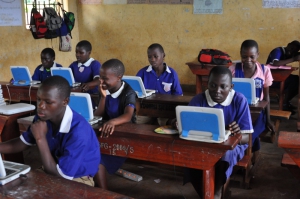
The future is in Engaging the Young into Technology
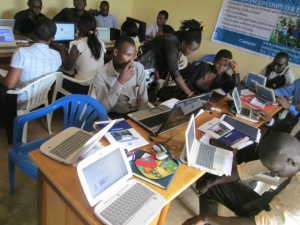
What we strive to Achieve
Promote ICT applications and utilization in: agriculture, health, rural development, education, environment, gender mainstreaming, water and sanitation among other key community development programs.
Promote and support the use of ICTs by women, youth and children, so to take advantage of the opportunities presented by ICTs in order to effectively address continental, regional, national and local problems hindering Sustainable Community Development.
Complement on the existing education system by making computers available to people of all ages, providing customized training, and encouraging and supporting the formation of Information Communication Technology businesses.
Empowering the Future
Mission
At YITEDEV, our mission is to create communities of practice in which the appropriate use of technology creates opportunities for youths leading to Sustainable Community Development.YITEDEV majorly works to integrate technology in day-to-day community development interventions with a focus at the wellbeing all the youths. Goal YITEDEV’s ambition is to empower youths with ICT skills leading to Sustainable Community Development.
We believe in empowering the Young Generation with ICT skills
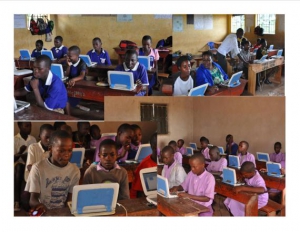
By reaching out to youth with key technologies, we are playing a pivotal in providing pathways from education to employment. By understanding Labor Market trends, YITEDEV is offering viable solutions that tackle youth unemployment within the Ugandan economy.
Training Our Community ICT for Development
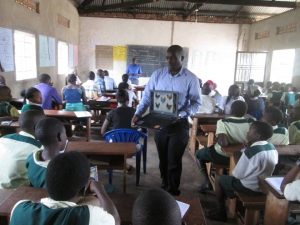
By reaching out to youth with key technologies, we are playing a pivotal in providing pathways from education to employment.
By understanding Labor Market trends, YITEDEV is offering viable solutions that tackle youth unemployment within the Ugandan economy.We teach youth and women to identify problems in their communities and to apply appropriate technology in their solutions.We’ve pioneered the Digital Village movement to effectively fight youth bulge and support reverse migration in developing countries. Join us on our journey to becoming one of the most impactful non-profit organizations in the world!
One Billion Is Hungry, Can We Feed The World?
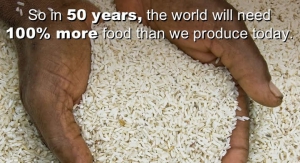
By 2050 we’ll need to feed two billion more people. How can we do that without overwhelming the planet?
When we think about threats to the environment, we tend to picture cars and smokestacks, not dinner. But the truth is, our need for food poses one of the biggest dangers to the planet.
When we think about threats to the environment, we tend to picture cars and smokestacks, not dinner. But the truth is, our need for food poses one of the biggest dangers to the planet.
Agriculture is among the greatest contributors to global warming, emitting more greenhouse gases than all our cars, trucks, trains, and airplanes combined—largely from methane released by cattle and rice farms, nitrous oxide from fertilized fields, and carbon dioxide from the cutting of rain forests to grow crops or raise livestockFarming is the thirstiest user of our precious water supplies and a major polluter, as runoff from fertilizers and manure disrupts fragile lakes, rivers, and coastal ecosystems across the globe. Agriculture also accelerates the loss of biodiversity. As we’ve cleared areas of grassland and forest for farms, we’ve lost crucial habitat, making agriculture a major driver of wildlife extinction. The environmental challenges posed by agriculture are huge, and they’ll only become more pressing as we try to meet the growing need for food worldwide. We’ll likely have two billion more mouths to feed by mid-century—more than nine billion people.
But sheer population growth isn’t the only reason we’ll need more food. The spread of prosperity across the world, especially in China and India, is driving an increased demand for meat, eggs, and dairy, boosting pressure to grow more corn and soybeans to feed more cattle, pigs, and chickens.
If these trends continue, the double whammy of population growth and richer diets will require us to roughly double the amount of crops we grow by 2050.
A Five-Step Plan to Feed the World
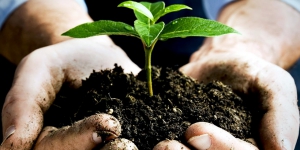
Step One: Freeze Agriculture’s Footprint
whenever we’ve needed to produce more food, we’ve simply cut down forests or plowed grasslands to make more farms. We’ve taken over even more land, an area roughly the size of Africa. Agriculture’s footprint has caused the loss of whole ecosystems around the globe,But we can no longer afford to increase food production through agricultural expansion.
Trading tropical forest for farmland is one of the most destructive things we do to the environment, and it is rarely done to benefit the 850 million people in the world who are still hungry.
Most of the land cleared for agriculture in the tropics does not contribute much to the world’s food security but is instead used to produce cattle, soybeans for livestock, timber, and palm oil. Avoiding further deforestation must be a top priority.
- Step Two: Grow More on Farms We’ve Got
- Step Three: Use Resources More Efficiently
- Step Four: Shift Diets
- Step Five: Reduce Waste
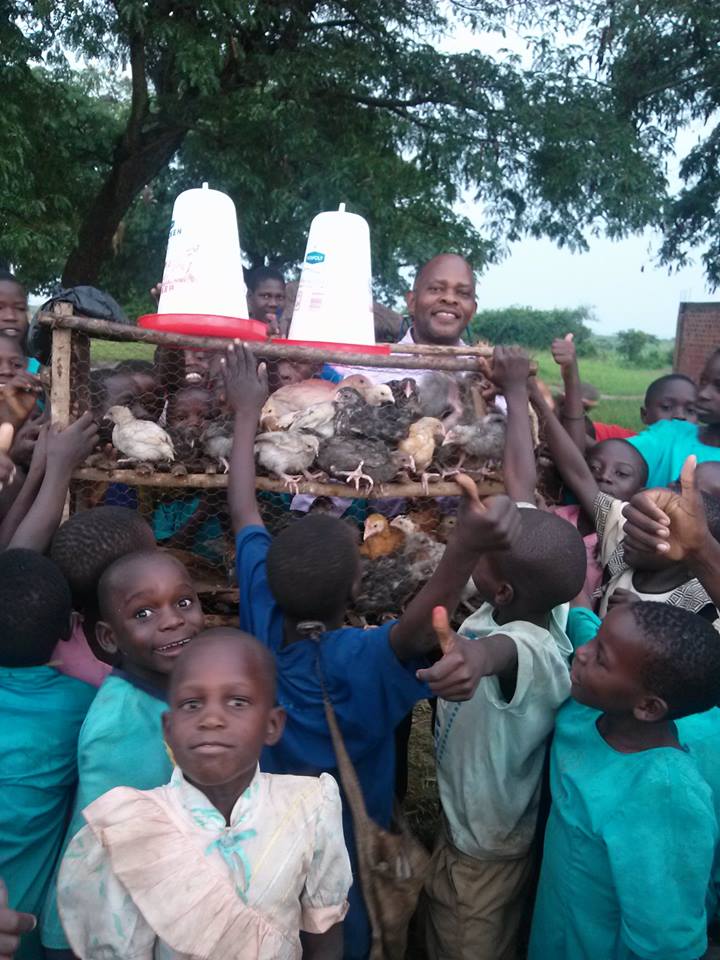
PROJECT 1: KUROILER PROJECT BY YITEDEV-UGANDA AND KIRUCODO
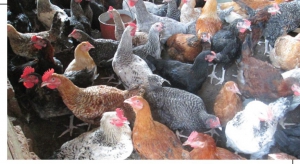
KIRUCODO currently acting as our donor availed kroilers this month to YITUg, this project is meant to benefit rural areas. This project is based in katosi-Bunakijja-Mukono-Uganda and is meant to run for some years and our goal is to eradicate poverty among youths especially in rural areas.
Youths, Let’s think twice again: Which innovative and smart business models around proven agri–tools and technologies truly improve the profitability of small scale youth farmers in rural areas and fit their context?

Our Mission
Our Mission
We are Commited to develop human potential through day to day applied technology, active hands on learning and research promotion and promotion of human rights, better Agricultural methods for social-economic and educational developmentOur Focus
We Also Develop Organization Online Social Media Strategies, Offer IT And Agricultural Consultancies, Organize Tech Meetups For Non-profit, advocating for food security
Goal
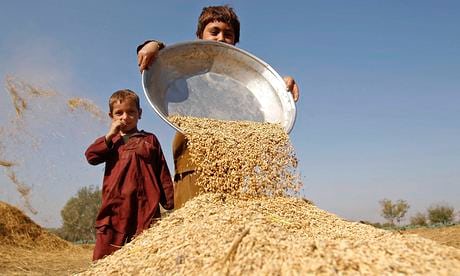
Global food security: could wheat feed the world?
Food prices: reining in volatile markets
What about those who cannot afford?

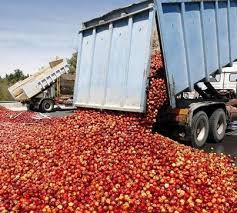
What will happen if we reduce food waste?
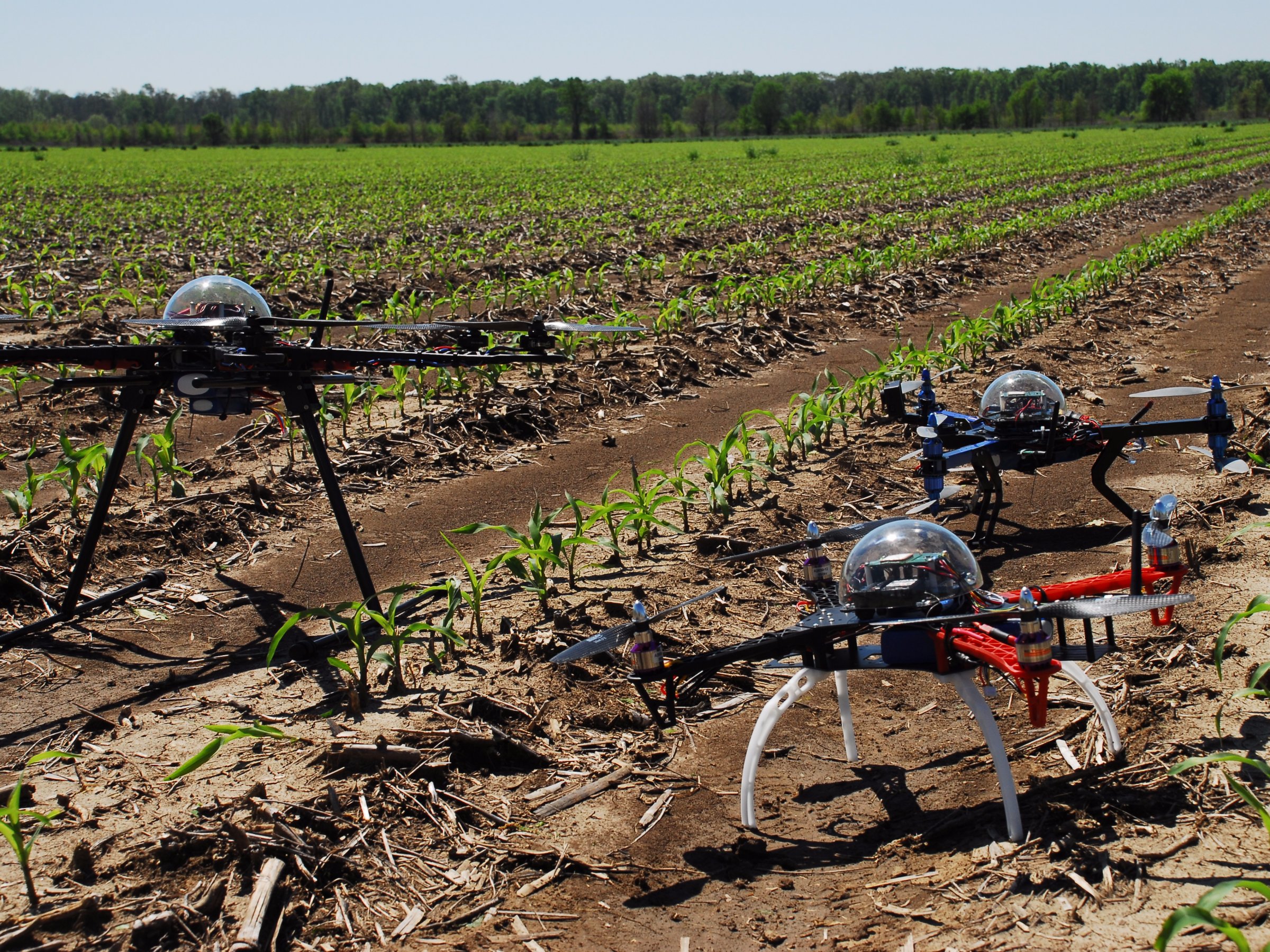
Agriculture’s high-flying future Drones

Could drones be the future of agriculture

Slowly but surely, the agriculture industry is realizing the benefits and discovering different strategies on how drones can benefit and move their crop production plans forward.
Making Agriculture easy and Simple

For Soil and field analysis, Planting,Crop spraying,Crop monitoring,Irrigation,Health assessment
Cow Pregnancy, The Critical Process
 Cows cannot produce milk sustainably without getting pregnant
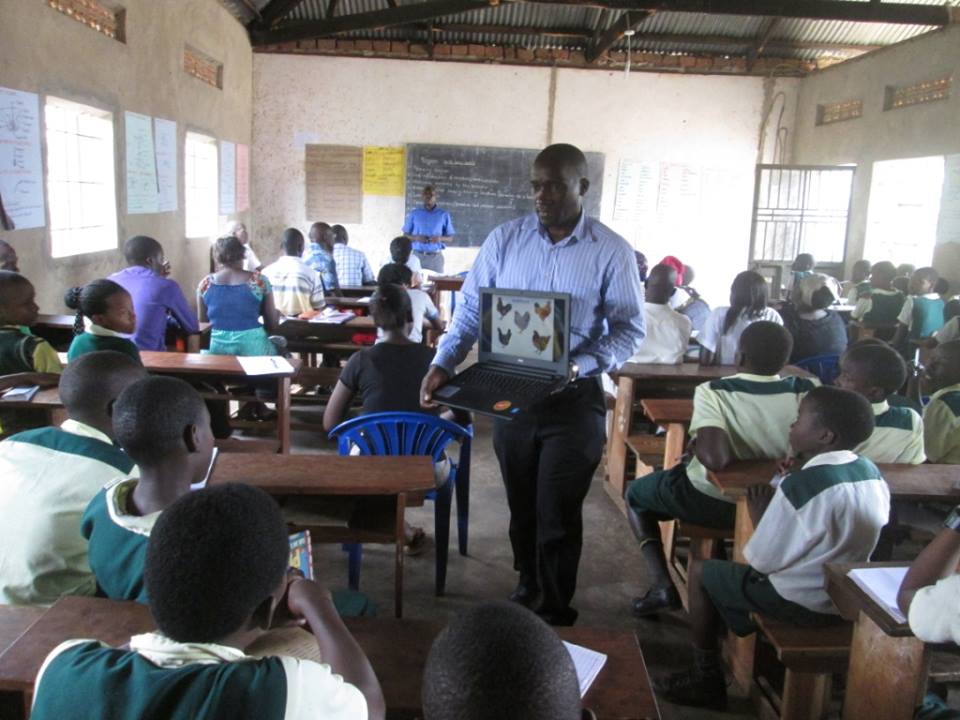
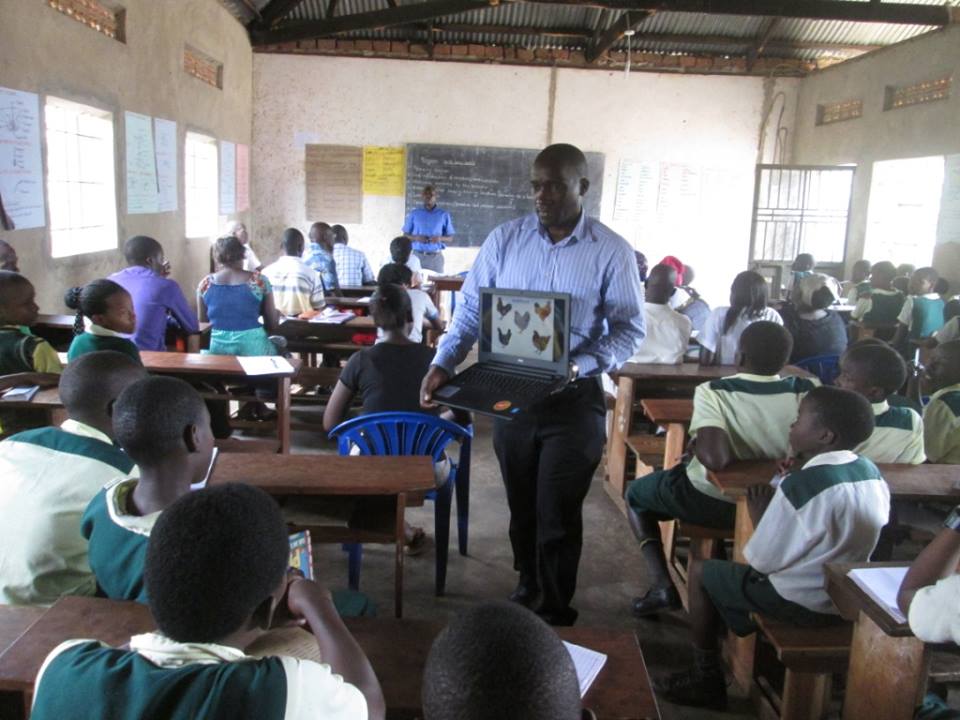
Training People how ICTs can be used in Poultry Keeping
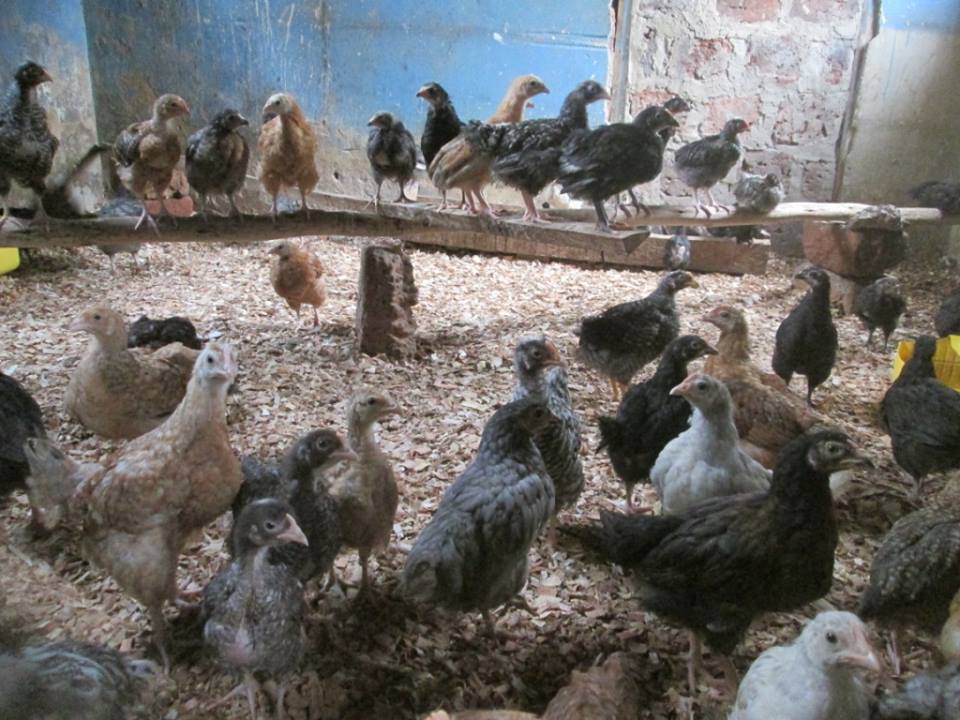
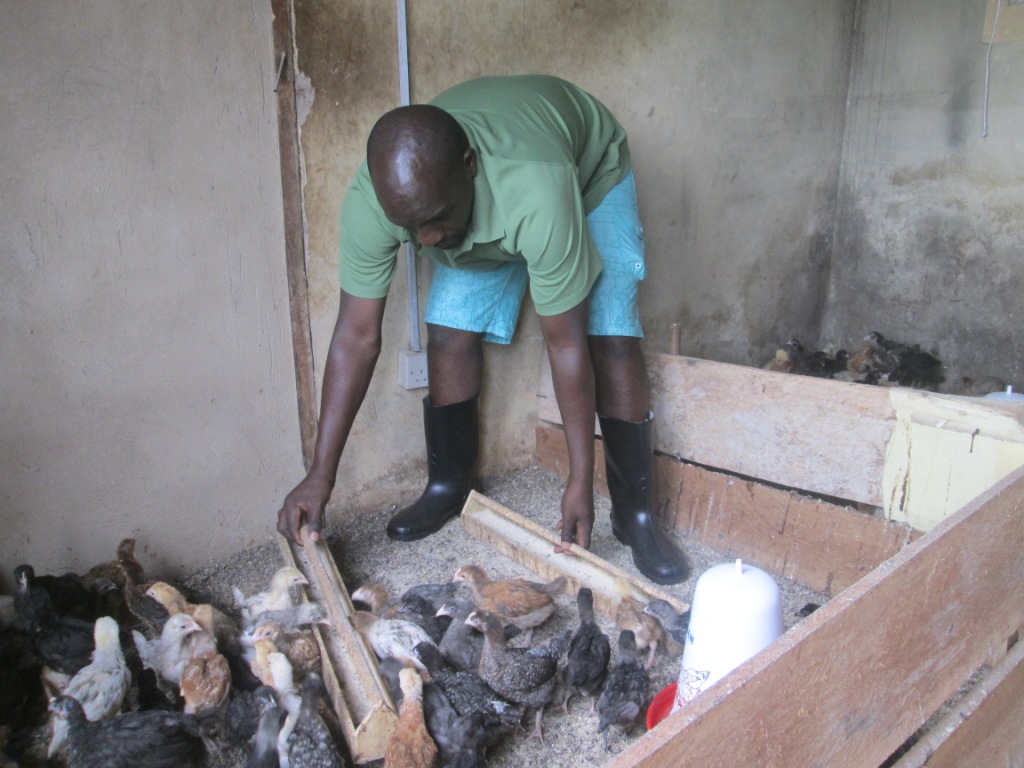
Chicks in a local Broader
Taking care of chicks
Our Goat Project for the Rural Poor
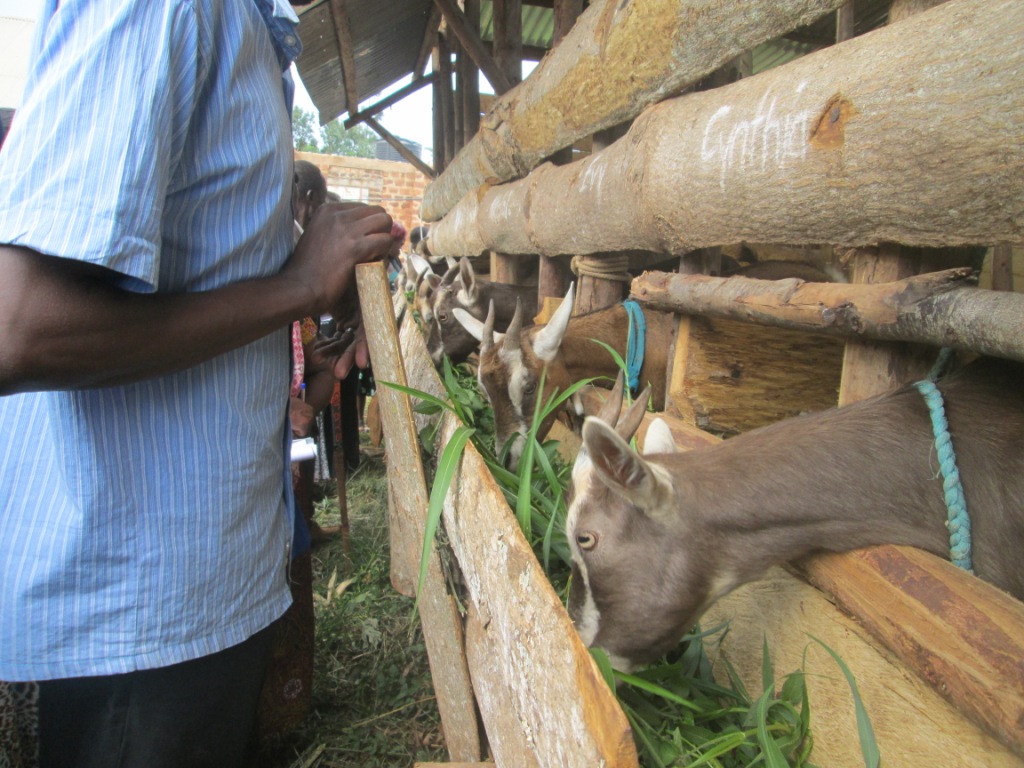
From Hatchery

We Train Communities on how to keep improved breeds

Status Update
Next Steps
We can do it!
Open data for Agriculture

Agri-Drone Tech
Drone: The Future of Agriculture

Used in Spraying

Drone In Action
We Offer Consultations in Kroiler Chicken Keeping

We ara a Home of Kuroiler Chicken

Caged Kroiler Project

Small Scale Farmer Caring for Her new Home stock
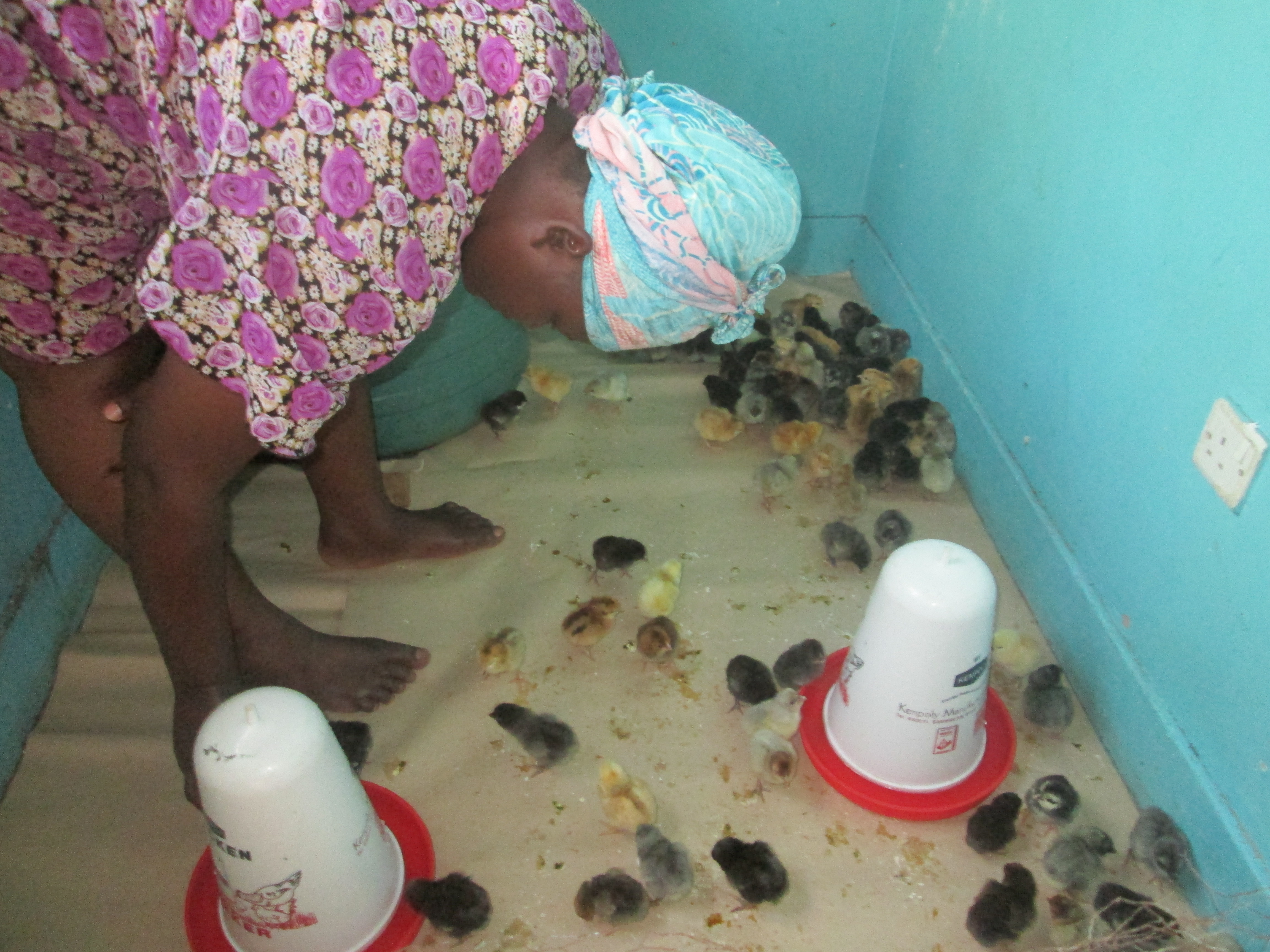
Begun with 30 chicks to 7000 Birds now. From here it became a basis for the Home of Kroiler Chicken
PalmPlan
Application Language
We drive Agriculture with Technology
We can use Open Data to increase food security
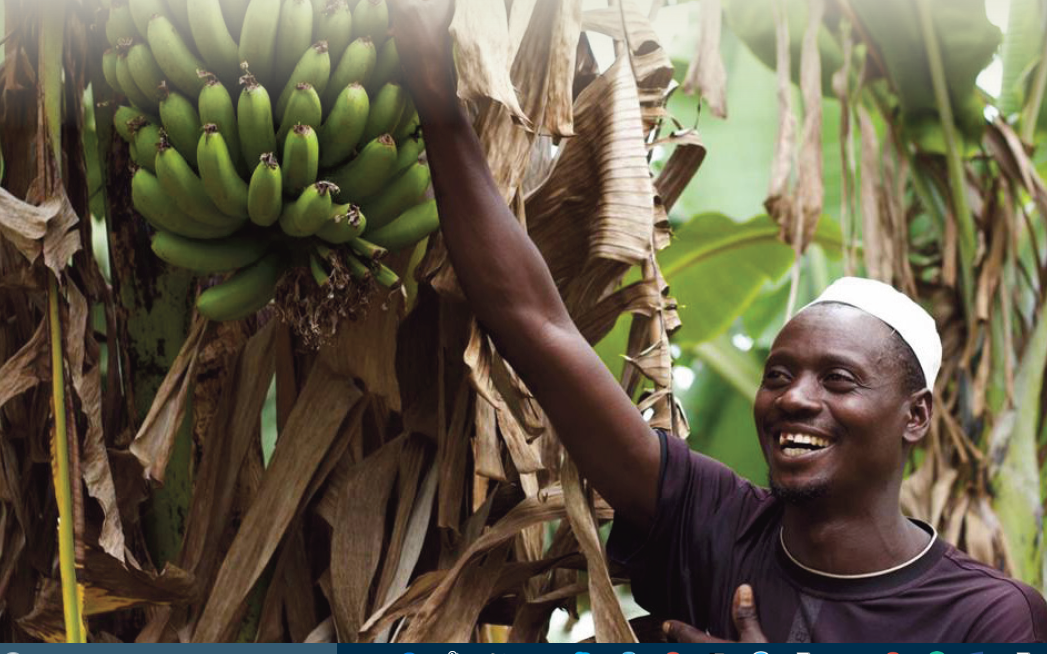
Poultry production, Great Business

Poultry production is a common livestock business around the world, it is practiced in different capacities, small, medium and commercial scale. As a poultry farmer, your goal is to manage the birds such that they produce optimally and increase productivity, hence, making profit from it.
There are many factors that can deter this aim, some are known and easily detected while some are unaware. Some requires medications while some just need a proper welfare. These are the rudimentary knowledge a poultry farmer should always have in mind.
Poultry Brooding

Brooding is the maximum attention and care given to chicks from a day old to about 4-5weeks of age. This is the most delicate period of a chicken's life and also the most tedious and cautious aspect of poultry production. Any mismanagement during the first 4weeks of a chick’s life can ruin the farm anytime.
So having adequate knowledge of brooding is very paramount in poultry production. You will agree with me that most farmers do not brood, rather, they prefer to buy point of lay or grow out broiler or cockerel. However, brooding is very cost effective and help reduces cost of production provided you have the right knowledge of how to go about it. Though, it's very tedious and risky but with proper management, you can always hedge against any mishap.
Strategy for Use Expansion
We Embed ICT in Agriculture
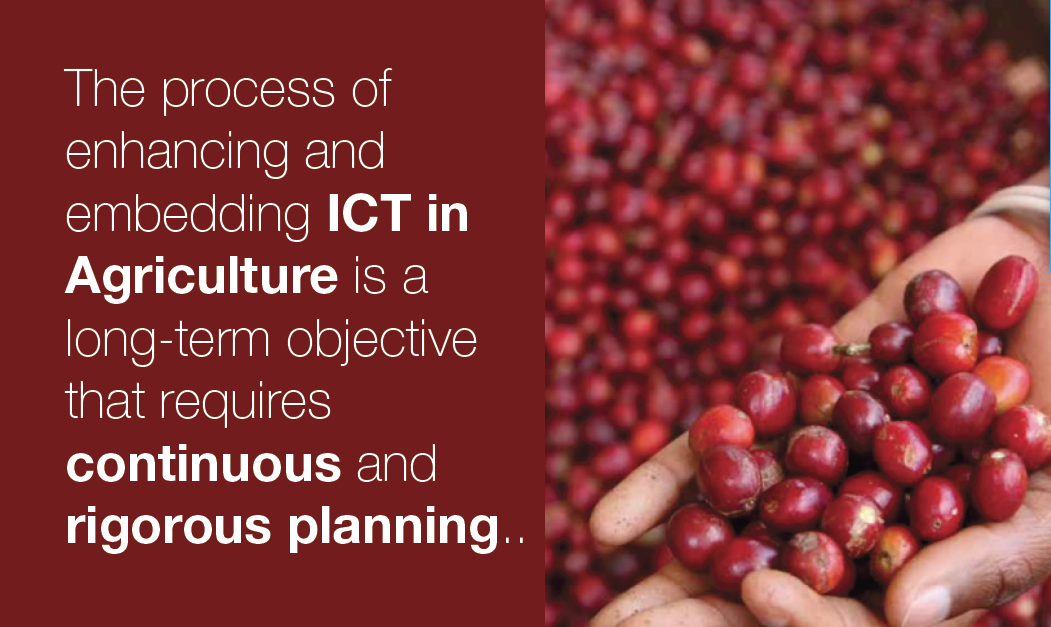
This organisation is a human service organization that identifies the approach of effective means to involve young people in carrying out A carrying out Agriculture and in local development decision-making, giving them voice and influencing power, with benefits for themselves and their communities.
We are Indented to nurturing human potential, the capacity-building organization is made up of vibrant youths who exist to help youths and communities to access the skills, tools, and information they need to get going and do what they do best. We're about building effective and lasting relationships with people and organizations from all sectors so that together we can lend a helping hand and allow the thousands of Youths in localities across Uganda to reach their full potential as well as getting neccesary means of increasing food Security and Production3 questions for Growers
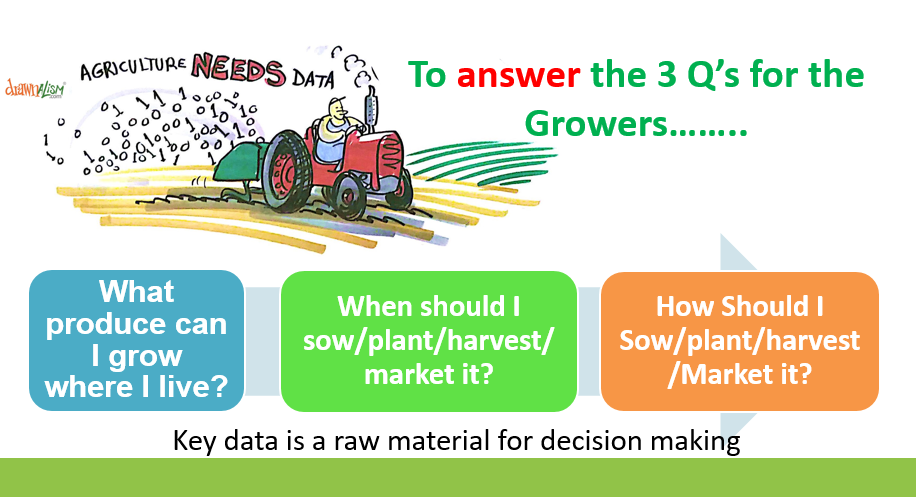 Our local farmers they need to get answers to those questions before producing.
However Open data is a powerful tool being used to solve problems around the world in agriculture and nutrition: from drought, pests and diseases, to food security and food safety.
We are a Home of Kroilers Chicken
This is a brief update about what is happening at the #HomeOfKuroiler chicken. We are managing different ages as you can see and this week we are having new arrivals coming. Make you booking now for 1 day or 1 month chicks we still have more you can be interested in. Another batch will also be making one month this week. Have a look at everything and we wait for your order

A Brooder For a Small Scale Farmers

A hatched chick cannot maintain a proper body temperature without your help. Exposing a chick to cool temperatures in the first three weeks of life makes the bird uncomfortable and less likely to eat the feed and drink the water needed for a good start. In meat-type chickens, cool temperatures can lead to permanent heart damage. Exposing the young bird to cool (20ºC or 70ºF) for the first day or two on the farm can cause the bird to die from heart problems later. Heated premises are definitely needed for brooding.
For small flocks, the most common source of heat is a heat lamp. These lamps accommodate a 250-watt red or clear bulb. When suspended 45 to 60 cm (18 to 24") off the floor, they provide enough heat to brood up to 100 chicks for a single-light, or 300 to 500 for a four-light model. Some units have thermostatic controls, while others have to be raised or lowered to provide the required temperature at bird level.
How it works
Why we Chose Kroilers for Income Generation
Kuroilers are dual purpose hybrid of chicken that produce quality meat and eggs. They offer a significant improvement in virtually all areas of breeding compared to the indigenous chickens,
They can produce around 150 to 200 eggs per year, or even 300 eggs in warmer conditions and the maturity period is about 10 weeks.
The meat yield per bird is also greater, with cocks weighing approximately 3.5kg at maturity and hens weighing about 2.5kg this makes them viable.
Give them Education
Though Children attending school in Rural Communities of Uganda face a great number of challenges like: lack of materials to use at school, lack of food, walking long distances, lack of clean and safe water, among others; this does not rob them their right to education.Yitedev strives had to see that the rural poor attain quality education
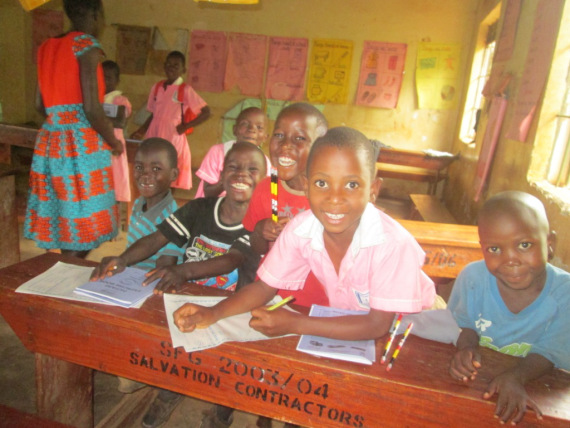
Please Support us to support the rural poor in attaining quality Education
See that Joy
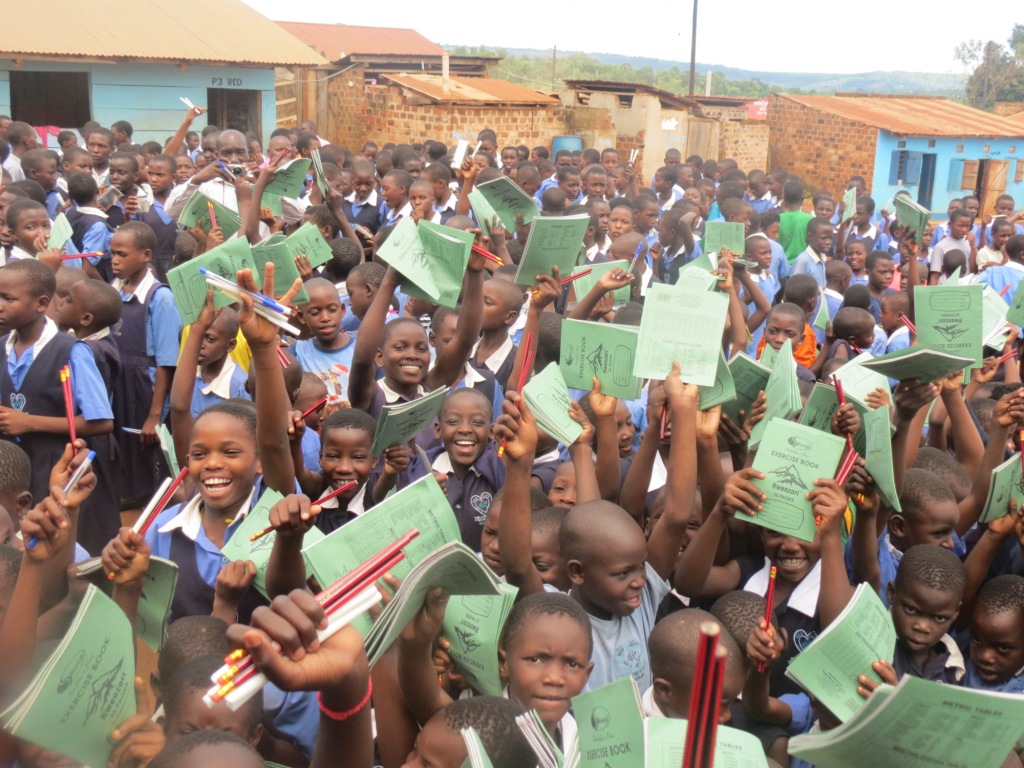 Reaching out to poor rural community schools with scholastic materials is one of the key activities of our Organisation
On 25th October 2017, we reached out to over 400 children of New Hope Primary School with scholarship materials like: Pens, Pencils, Exercise Books and Mathematical Geometry Sets.
Reaching out to poor rural community schools with scholastic materials is one of the key activities of our Organisation
On 25th October 2017, we reached out to over 400 children of New Hope Primary School with scholarship materials like: Pens, Pencils, Exercise Books and Mathematical Geometry Sets.
This donation was sponsored by Bluebonnet Hills Christian Church of Austin Texas.
Lastly, we still need more support and feel free to contact us with a donation of any kind and we shall be able to reach out to as many needy schools as possible.
© Copyright 2026 Youths in Technology and Development Uganda YITEDEV by Paul Kasoma